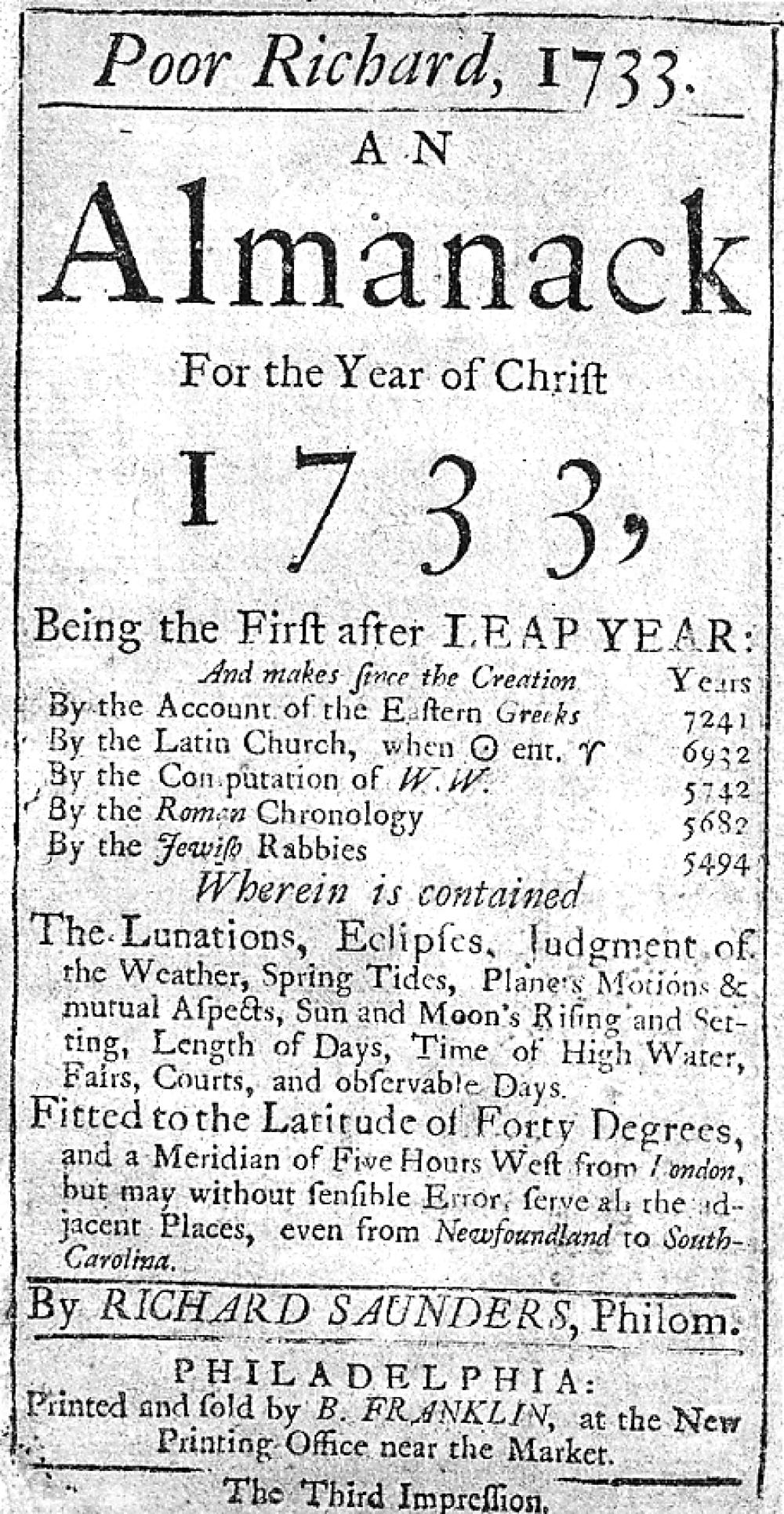
Galileo Galilei is credited with the invention of the thermoscope, a device for gauging heat. But it’s not the same as a thermometer. It couldn’t measure temperature because it had no scale. Today, we see Galileo Thermometers, but these are modern inventions dependent upon ultra-modern mass and density measurement. Galileo’s thermoscope simply demonstrated that the …
Category Archives: Ideas
Early Meteorology — The Psychrometer
By the late 18th Century, the emerging science of meteorology—closely aligned with the study of gases—was focused on major advances in understanding evaporation, latent heat, and water vapor in the air. The earlier Aristotelian study of storms was being superseded by the systematic measurement of temperature, pressure and atmospheric moisture with an aim to PREDICT those …
Donald Trump wants to use the NPS as a propaganda machine to spread his misguided version of history.
Clearly the Trump Administration wants a war. They are insistent upon MISLEADING and UNTRUTHFUL telling of history. Its time we start really protesting and shut-down Philadelphia in preparation for the semiquincentennial. Come to INHP on Saturday between 12 and 4pm as we tell the REAL HISTORY of America and the President’s House. We will continue …
David Rittenhouse wrote an almanac in 1747
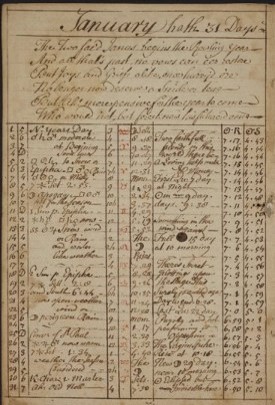
David Rittenhouse had a long and varied career. He was, of course, Philadelphia’s most celebrated astronomer but he was also a clockmaker, an inventor, the treasurer of the Continental Congress, City Surveyor of Philadelphia, and founder of the US Mint. His masterful 1771 Orrery was the state of the art in teaching celestial mechanics for first half …
Continue reading “David Rittenhouse wrote an almanac in 1747”
Getting Paid to Drink Beer… The Ale Conner
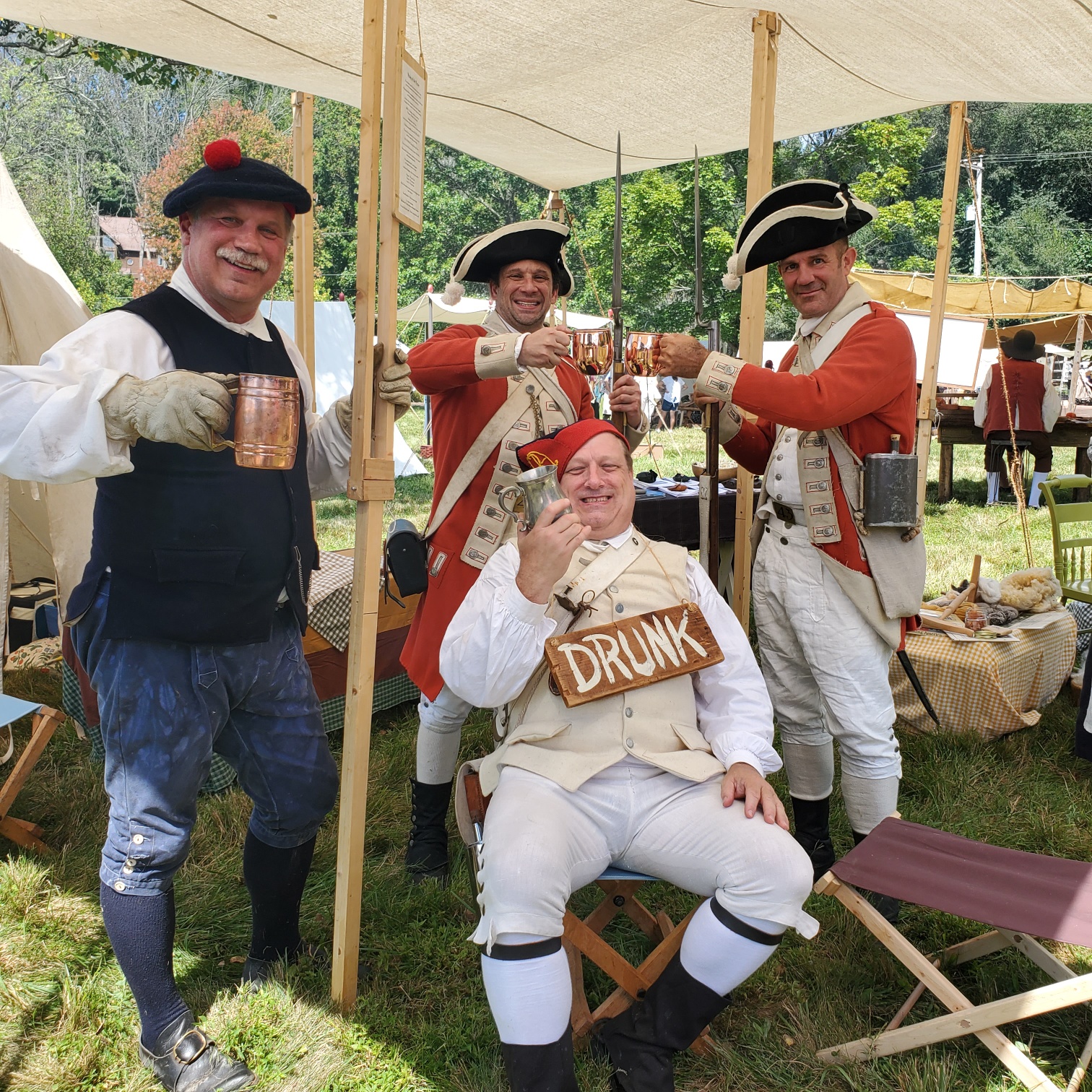
Imagine getting DRAFTED into office where your job is to drink beer. Well, that is exactly what happened in medieval England. Ale conners (also known as ale-tasters or ale-cunners) were local officials appointed by a baron or marquis to ensure the quality and fairness of ale and beer production in their county. Their job was …
Continue reading “Getting Paid to Drink Beer… The Ale Conner”
2026 Brewmeister Merchandise
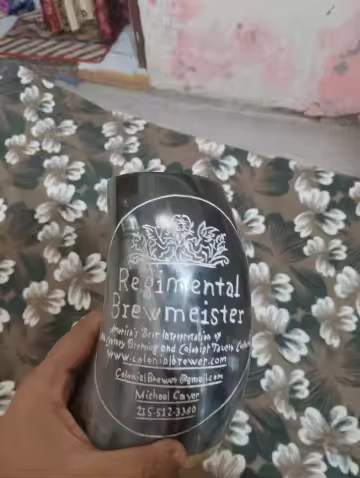
For a couple of years, I have been selling books at my events. I will continue to offer copies of the following books at events in 2026: Beers and Beer Stories by the Regimental Brewmeister $15 Admiral of the Blue Apron’s Bartender Guide Book: A View into Colonial Era Spirits and Cocktails $15 George Washington’s …
The Patriot’s Paradox

Every once in a while, you are struck by how truly strange our political world has become. I am not referring to the disfunction in our US government (directly) but rather our day-to-day interactions between seemingly normal, patriotic Americans. Case in point: I had a very interesting interaction with my SAR compatriots, on Washington’s Birthday …
Tonight is Purim
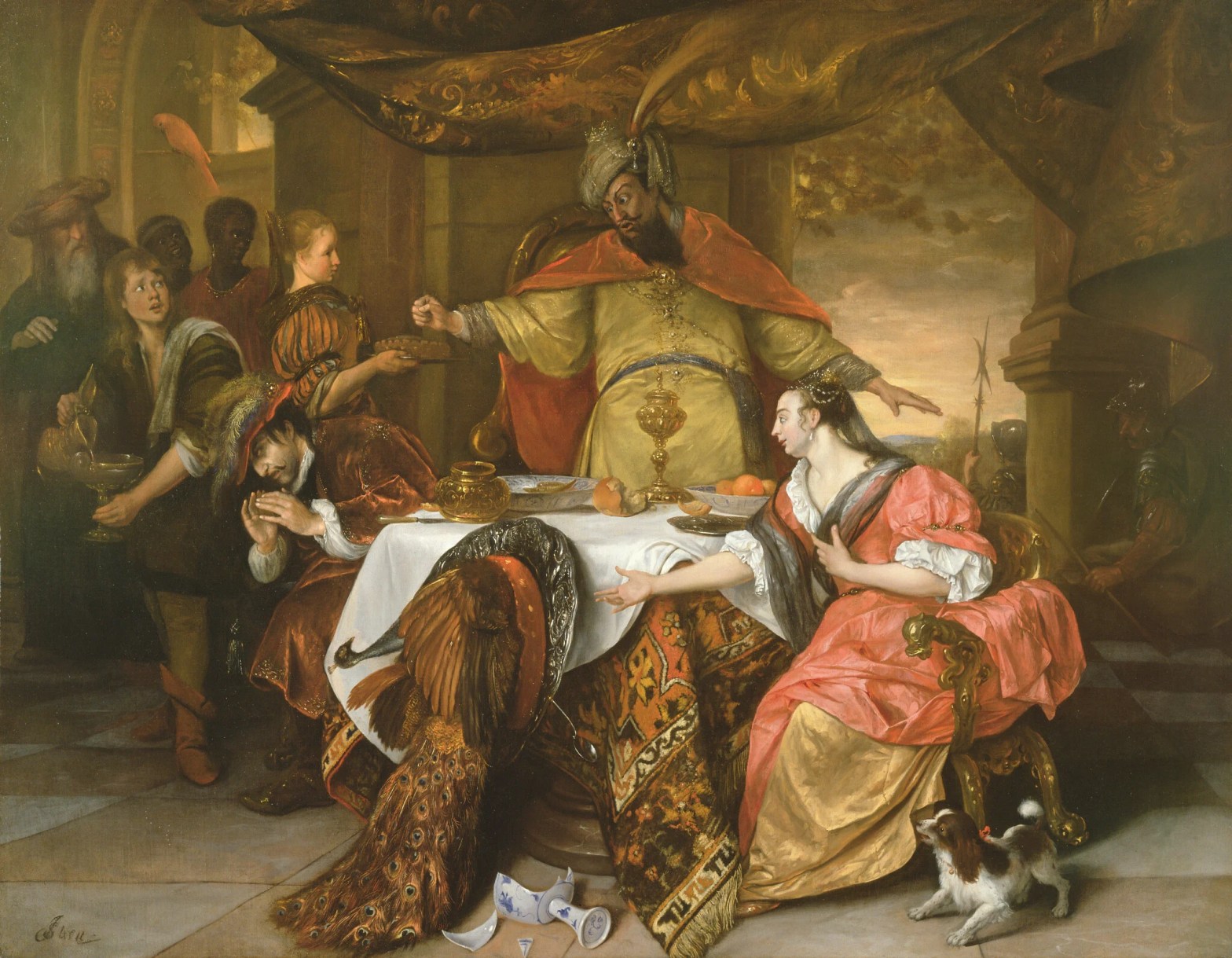
Purim is celebrated every year on the 14th of the Hebrew month of Adar (late winter/early spring). This year is a poignant celebration given that Israel is at war with Iran (historic Persia). In the 4th century BCE, Persian King Ahasuerus had his wife, Vashti, executed for failing to follow his orders, then he arranged a beauty pageant to find a …
Siege Weekend @ Fort Mifflin
Well its official, the Regimental Brewmeister will be returning to Fort Mifflin’s Siege Weekend this year on November 14. Want to have the Regimental Brewmeister at your site or event? You can hire me. https://colonialbrewer.com/yes-you-can-hire-me-for-your-event-or-site/
The Tavern Sign
Because of their abundance, the names pubs take were designed to be memorable—but more than that, they were designed to be visual. Outside any traditional pub worthy of its title, you’ll find a hanging signboard with a unique illustration that represents the name of the business. The first British pub signs were created in the …

