

The shift from superstition to scientific study of meteorology began when proper measuring instruments became available in the mid-17th century. By the early 18th century, Daniel Fahrenheit produced accurate mercury thermometers calibrated to a standard scale that ranged from 32 to 96 degrees (i.e., from the melting point of ice to body temperature). Early work …
Category Archives: Science
Making Whiskey

Whiskey’s origin lies somewhere between 1,000 and 1,200 AD when traveling monks migrating across Europe, introduced the distillation practice into Scotland and Ireland. Because of the lack of vineyards in these countries, the monasteries turned to fermenting grain mashes and then distilling them into whiskey. For the next 400 years, whiskey spread throughout the Celtic countries. …
Basic Colonial Brewing #18 — Proof your Whiskey, Sir

When it comes to arcane historical terms for spirits and other alcohol, proof is one of the frustrating ones. In our modern vernacular, with the blessing of modern analytical chemistry as support, we simply think of “proof” as two times the alcohol by volume (ABV). But why is this measure even a thing? After all, …
Continue reading “Basic Colonial Brewing #18 — Proof your Whiskey, Sir”
Early Meteorology — Predicting the Weather 18th Century Style: old wives tales and superstitions
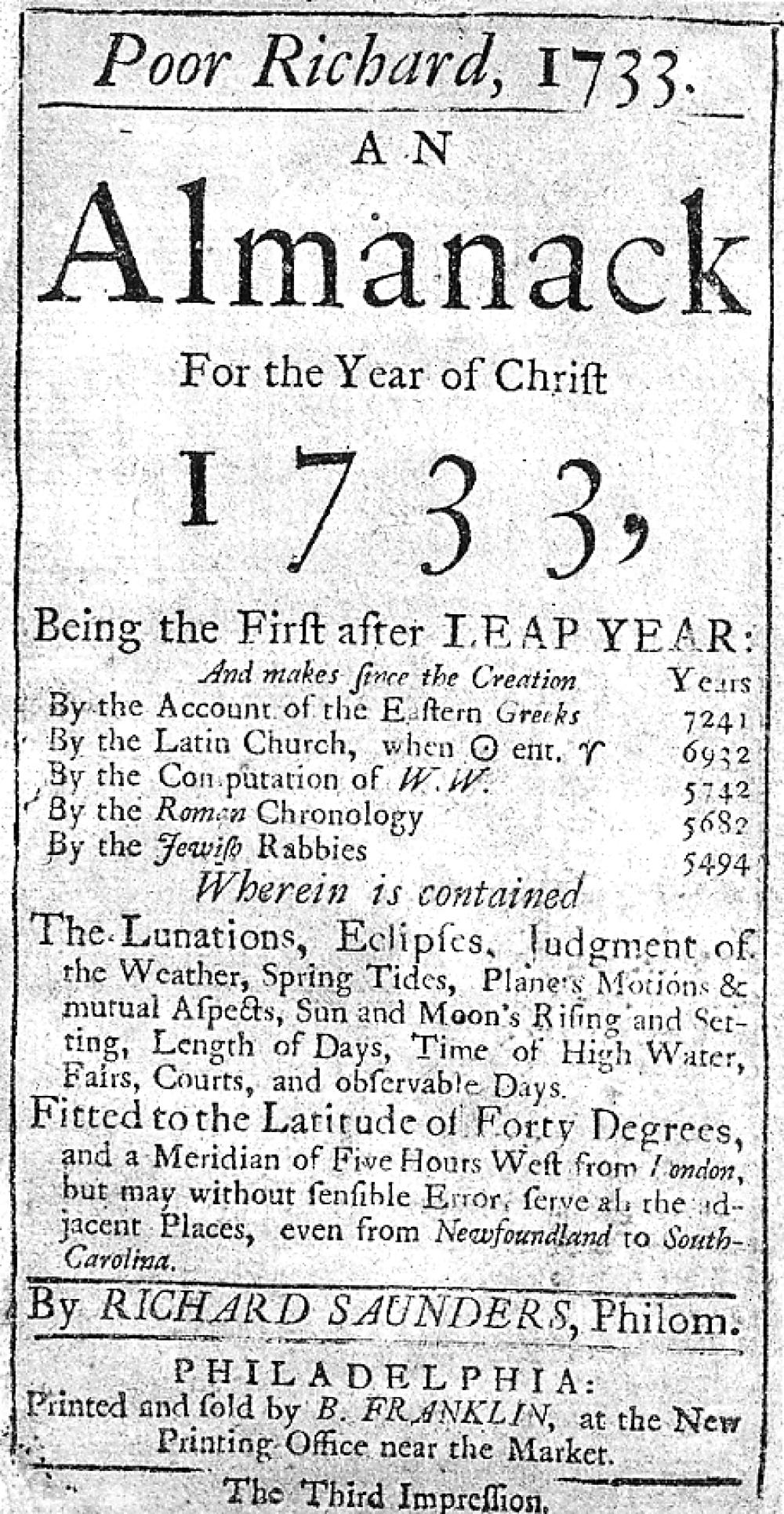
In the 18th century, families relied on almanacs to help them make many weather and seasonal decisions, such as when they should plant their crops or travel. However, almanacs only gave a long-term idea of what the weather might be based on weather in the past. Furthermore, in an age where all travel, especially by …
Blowing Smoke Up Someone’s Arse‡
Maybe I’m just having a bad day but after several government meetings, the term “Blowing smoke up someone’s ass” has been used way too much. Just to set the record straight, this was not always a simple figure of speech indicating someone was being an insincere flatterer. Tobacco smoke enemas became a mainstream medical practice …
“And the Rockets’ Red Glare” – Rockets were originally used AGAINST the British in the 18th Century!

Missiles and missile rocket technology is a mainstay in the modern military. In fact, most modern fighter aircraft have dispensed entirely with guns and typically are armed with various offensive and defensive rocket powered munitions. While we are all familiar with the Chinese invention of fireworks, it was actually the INDIANS who turned these interesting …
Making Rum
Rum’s origin lies in the 17th century Caribbean Islands. The first distillation of rum took place on the sugarcane plantations, located on the island of Barbados. Slaves from the plantations discovered that by fermenting molasses, a byproduct of refining sugarcane, they could create alcohol. Then by distilling this alcoholic drink, they could create a concentrated …
The First Steamboat Sailed on the Delaware

The era of the steamboat began in America in 1787 when John Fitch made the first successful trial of a forty-five-foot steamboat on the Delaware River on August 22, 1787, in the presence of members of the Constitutional Convention. Fitch later built a larger vessel that carried passengers and freight between Philadelphia and Burlington, New Jersey. …
Continue reading “The First Steamboat Sailed on the Delaware”
The Surveyor’s Artificial Horizon
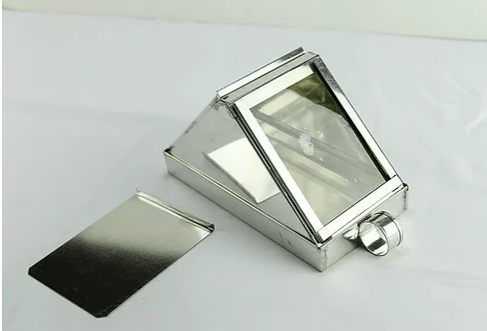
Much of what you read about celestial navigation is focused on ocean navigation where you have a reasonably unrestricted line of sight to the horizon. Terrestial navigators and surveyors often do not have this and must make adjustments in their technique. One very common approach is to use an ARTIFICIAL HORIZON. An “artificial horizon” is …
Joseph Priestly and Carbon Dioxide

In Leeds Joseph Priestley’s home was situated near a brewery. Whenever he walked by the brewery, Priestley observed an unusual phenomenon. He noticed that “fixed air” (carbon dioxide) was released in the process of fermentation and that this new “air” would extinguish burning pieces of wood and then drift to the ground. At home Priestley …
 Michael Carver -- Historical Interpreter/Reenactor