

So, I had this idea. I was going to add a third punch bowl to my tavern. I already have the two from David Wondrich which are very similar to those common in the late 18th and 19th Century. I wasn’t going to be picky; I just didn’t want to spend a huge sum of …
Tag Archives: Rum
Sugar Cones or Loaves and the Making of Rum

During Antiquity and the Middle Ages, sugar was rare and expensive commodity. Beginning in the 15th century, however, sugar cane plantations developed in the West Indies, then South America, particularly in Brazil. Sugar was the top colonial commodity. It was at the root of the ‘triangular trade’, where European shipowners exchanged trinkets for African men, who were then sold as slaves …
Continue reading “Sugar Cones or Loaves and the Making of Rum”
Tom and Jerry?
So, I had this idea. I was going to add a third punch bowl to my tavern. I already have the two from David Wondrich which are very similar to those common in the late 18th and 19th Century. I wasn’t going to be picky; I just didn’t want to spend a huge sum of …
Sugar Cones or Loaves and the Making of Rum
During Antiquity and the Middle Ages, sugar was rare and expensive commodity. Beginning in the 15th century, however, sugar cane plantations developed in the West Indies, then South America, particularly in Brazil. Sugar was the top colonial commodity. It was at the root of the ‘triangular trade’, where European shipowners exchanged trinkets for African men, who were then sold as slaves …
Continue reading “Sugar Cones or Loaves and the Making of Rum”
Fort Mifflin Rumbustion
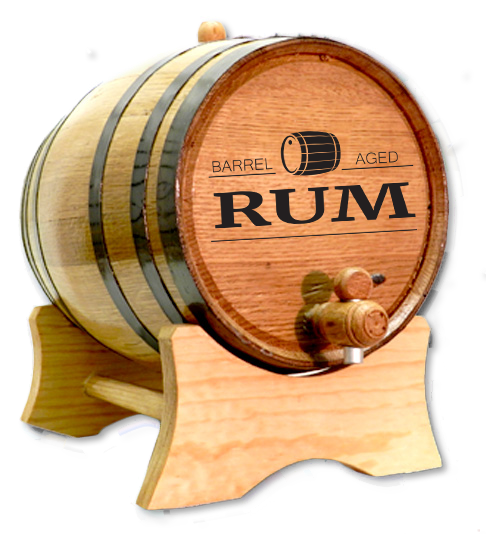
Okay, like the other spirits at Fort Mifflin, we cannot definitively tell whether this rum exists. Some people have had very close and memorable encounters but there are true deniers as well. This is a robust concoction distilled in the manner similar to how John Hancock would have made bootleg rum. Rumbustion is rumpus uproar, …
Sugar Cones or Loaves and the Making of Rum
During Antiquity and the Middle Ages, sugar was rare and expensive commodity. Beginning in the 15th century, however, sugar cane plantations developed in the West Indies, then South America, particularly in Brazil. Sugar was the top colonial commodity. It was at the root of the ‘triangular trade’, where European shipowners exchanged trinkets for African men, who were then sold as slaves …
Continue reading “Sugar Cones or Loaves and the Making of Rum”
Fort Mifflin Rumbustion
Okay, like the other spirits at Fort Mifflin, we cannot definitively tell whether this rum exists. Some people have had very close and memorable encounters but there are true deniers as well. This is a robust concoction distilled in the manner similar to how John Hancock would have made bootleg rum. Rumbustion is rumpus uproar, …
Sugar Cones or Loaves and the Making of Rum
During Antiquity and the Middle Ages, sugar was rare and expensive commodity. Beginning in the 15th century, however, sugar cane plantations developed in the West Indies, then South America, particularly in Brazil. Sugar was the top colonial commodity. It was at the root of the ‘triangular trade’, where European shipowners exchanged trinkets for African men, who were then sold as slaves …
Continue reading “Sugar Cones or Loaves and the Making of Rum”
Fort Mifflin Rumbustion
Okay, like the other spirits at Fort Mifflin, we cannot definitively tell whether this rum exists. Some people have had very close and memorable encounters but there are true deniers as well. This is a robust concoction distilled in the manner similar to how John Hancock would have made bootleg rum. Rumbustion is rumpus uproar, …
 Michael Carver -- Historical Interpreter/Reenactor