
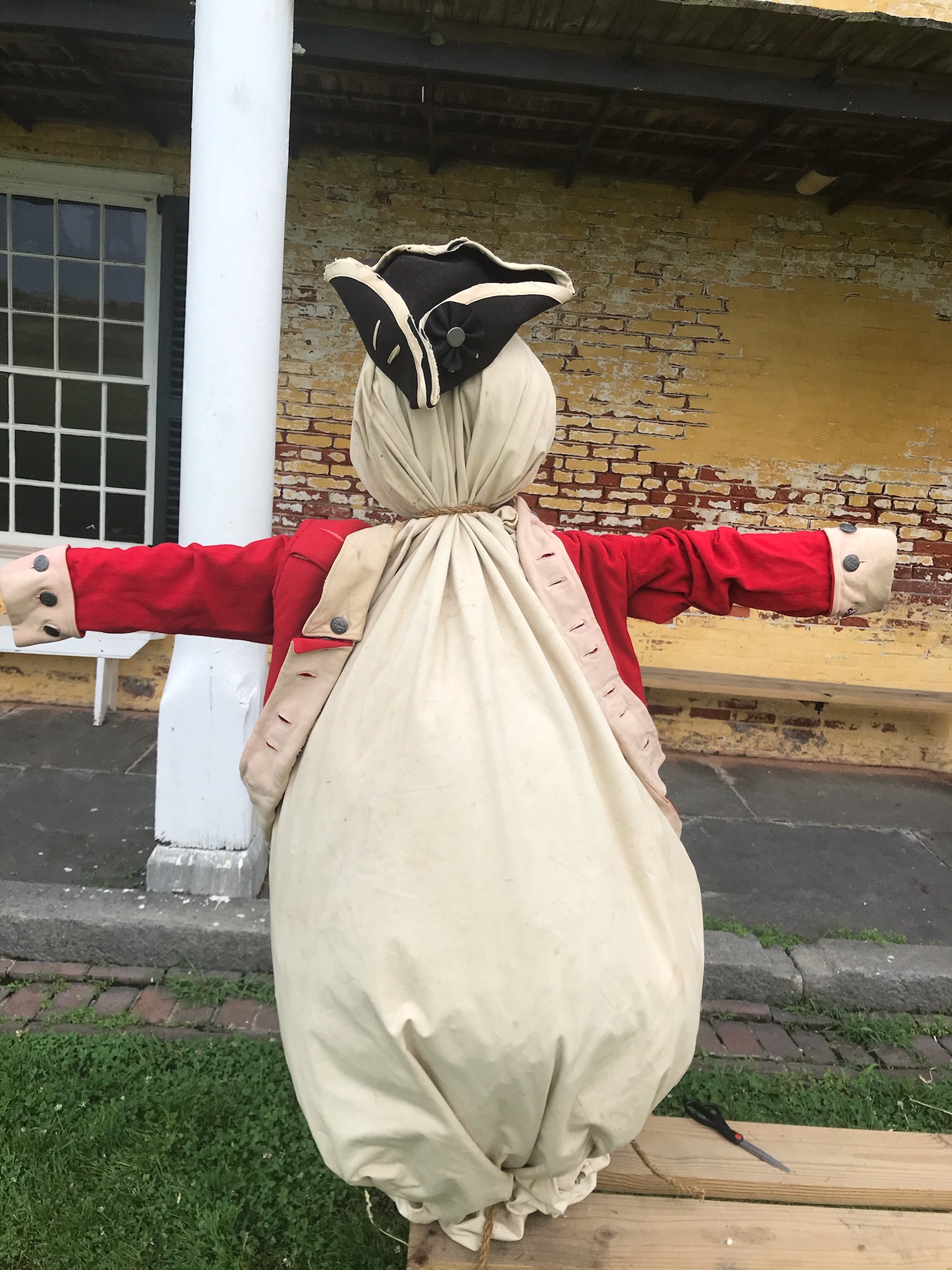
When you visit Copp’s Hill Burial Ground in Boston, you will see gravestones with pockmarks from musket balls, made when Redcoats used the graveyard as a target range. Yes, soldiers didn’t just point their muskets, they took aim and most of the King’s soldiers were surprisingly accurate shots given the limitations of smoothbore muskets. Pockmarks …
Author Archives: Michael Carver
Historical Tidbits

When reenacting or acting as a historical interpreter, its good to have a few historical dates and stories to share. This series will publish a few. July 3, 1778 Massacre at Wyoming On July 1st, John Butler’s force of about 1,000 regular British troops, Loyalist irregulars, and Indians, marched into the Wyoming Valley and seized …
Historical Tidbits
When reenacting or acting as a historical interpreter, its good to have a few historical dates and stories to share. This series will publish a few. July 2, 1776 – “The Second Day of July 1776, will be the most memorable Epocha, in the History of America. —I am apt to believe that it will …
Swear and Profanity in 18th Century England

Well, sometimes you just have to let someone know what you think and polite words don’t work. We’ve all been at events when we wanted to let loose on one or more of the “brilliant” attendees who “know everything.” Well, its just a matter of speaking the right language (Ik mompel gewoon in het Nederlands …
Continue reading “Swear and Profanity in 18th Century England”
“Seven Rations” for the 18th Century Soldier

For regiments of the British Army, each mess (five or six men) was issued one bowl, one platter, one ladle, one cooking kettle, six trenchers (a plate on one side and a bowl on the other), and spoons. Using this equipment, the men were to prepare, cook, and eat their “seven rations” of food. Each …
Continue reading ““Seven Rations” for the 18th Century Soldier”
Ask your Tavernkeeper
Perhaps its just that sort of week for me but its definitely 5:00 HERE so here are some terms to take with you to your local watering hole to show you understand the drinking habits of we merry 18th Century barmen… Bene Bowse — good beer, or other strong liquorBingo — brandy or other spirituous …
Historical Tidbits
When reenacting or acting as a historical interpreter, its good to have a few historical dates and stories to share. This series will publish a few. Forty Fort was a stronghold built by settlers from Westmoreland County, Connecticut, on the Susquehanna River in Luzerne County, Pennsylvania. During the American Revolutionary War, both Connecticut and Pennsylvania …
Historical Tidbits
When reenacting or acting as a historical interpreter, its good to have a few historical dates and stories to share. This series will publish a few. June 29, 1767 The Commissioners of Customs Act — created a new Customs Board for the North American colonies, to be headquartered in Boston with five customs commissioners. The …
Historical Tidbits
When reenacting or acting as a historical interpreter, its good to have a few historical dates and stories to share. This series will publish a few. June 28, 1778 Molly Pitcher “Molly Pitcher” was not a single historical figure, but a composite folk hero inspired by the actions of different people, most of them women …
Historical Tidbits
When reenacting or acting as a historical interpreter, its good to have a few historical dates and stories to share. This series will publish a few. June 28, 1778 Battle of Monmouth The new British commander, Lieutenant General Henry Clinton, received orders to follow a defensive strategy and consolidate forces in New York City. He …
 Michael Carver -- Historical Interpreter/Reenactor