

Bees played a small role in the Revolutionary War on two notable occasions. The first is “The Battle of the Bees” that occurred Oct. 3, 1780 at McIntyre’s Farm, in Mecklenburg County, North Carolina. Loyalists, led by Capt. John Doyle, were traveling down Beattie’s Ford Road with 60 wagons. Their mission: to plunder area farms …
Author Archives: Michael Carver
Why is the First Amendment now Optional?
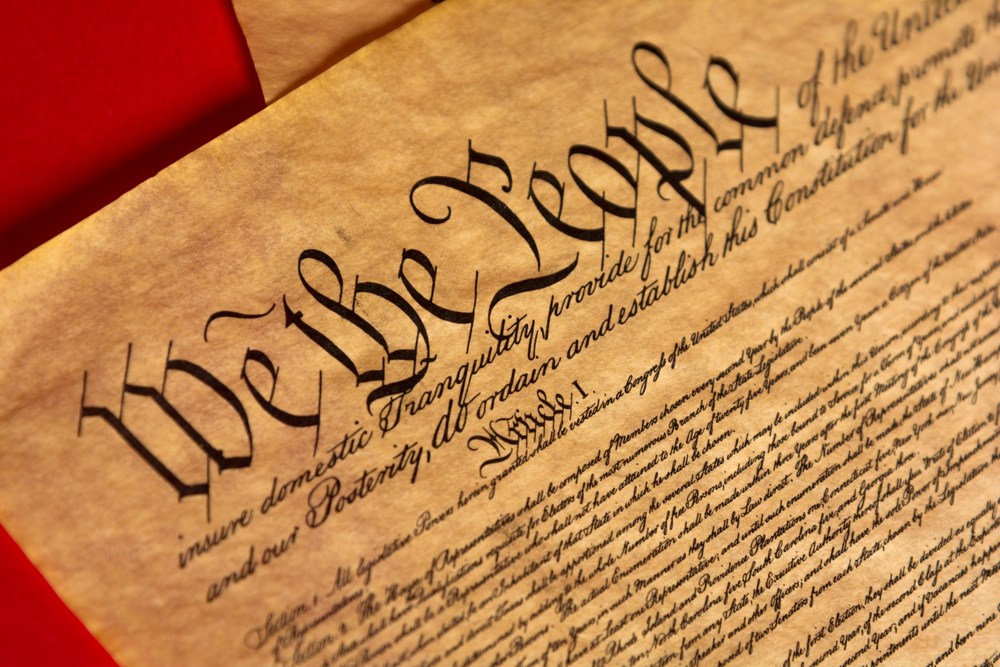
Amendment #1: “Congress shall make no law respecting an establishment of religion, or prohibiting the free exercise thereof; or abridging the freedom of speech, or of the press; or the right of the people peaceably to assemble, and to petition the Government for a redress of grievances.” AND YET we allow other governments agencies, like …
Becoming a Colonial Brewer

In 1994, I became interested in the someone rebellious and definitely an anachronistic hobby of home-brewing. Brewing beer at home became legal (again) in 1979 so by the time I got involved it was a weird mix of semi-commercial home-brew supply stores that sold malt, yeast, and hops in various forms plus a hodgepodge of …
Consider becoming an Apprentice Cook at Fort Mifflin on January 22, 2022
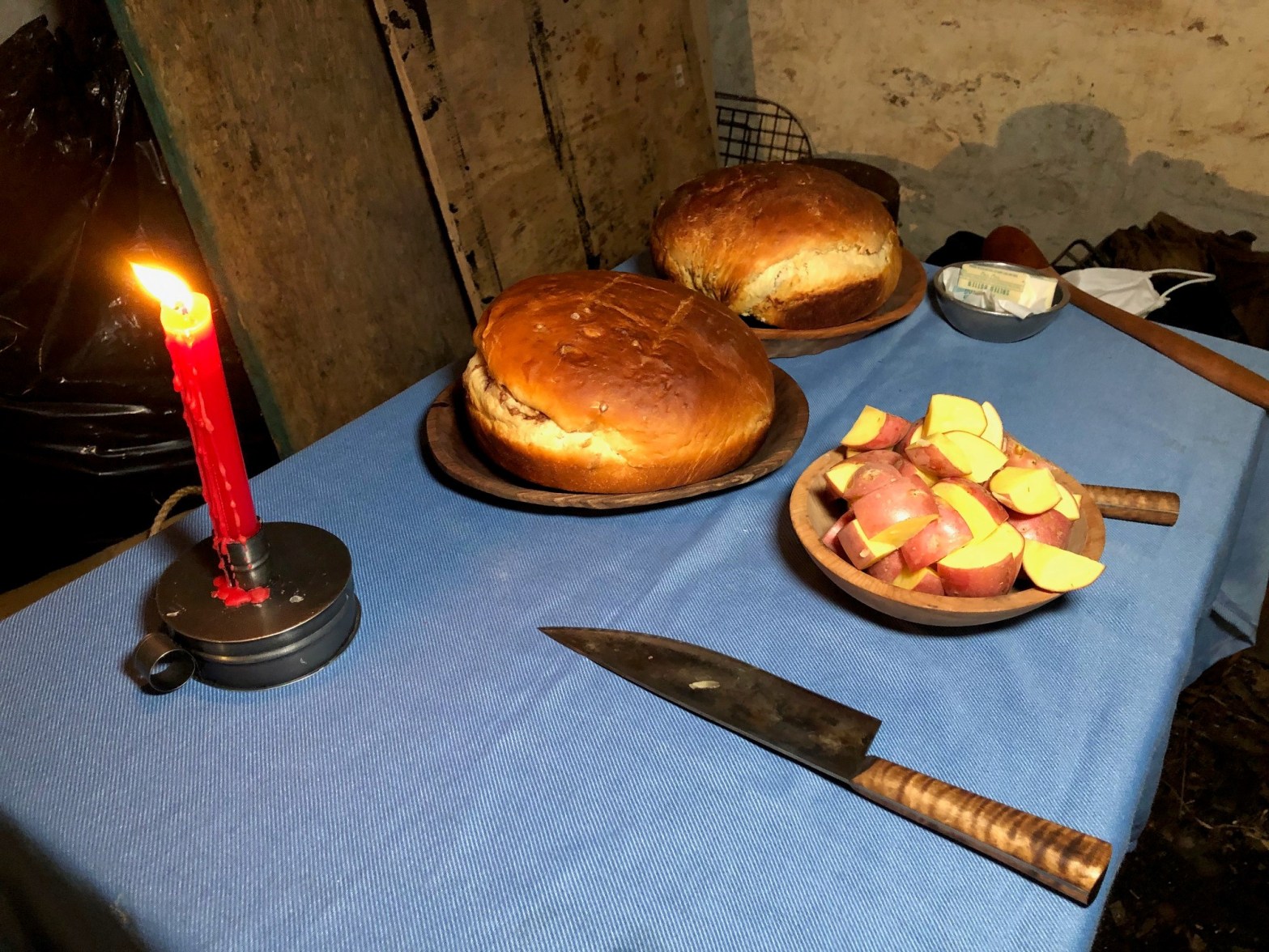
Consider becoming an Apprentice Cook at Fort Mifflin On January 22, 2022; Fort Mifflin is running our Cast Iron Chef & Colonial Brewing. The Regimental Brewmeister and our team of hearth cooks is creating a unique hands-on experience in early 19th century foodways. Normally, I would be pushing for you to join me, the Regimental …
Continue reading “Consider becoming an Apprentice Cook at Fort Mifflin on January 22, 2022”
Historical Tidbits

When reenacting or acting as a historical interpreter, its good to have a few historical dates and stories to share. This series will publish a few. January 17, 1773 – HMS Resolution, under the command of James Cook, became the first vessel to cross the Antarctic Circle. Want to Buy Beer from the Colonial Brewmeister? …
Re-Enactor, Interpreter, or Living Historian?
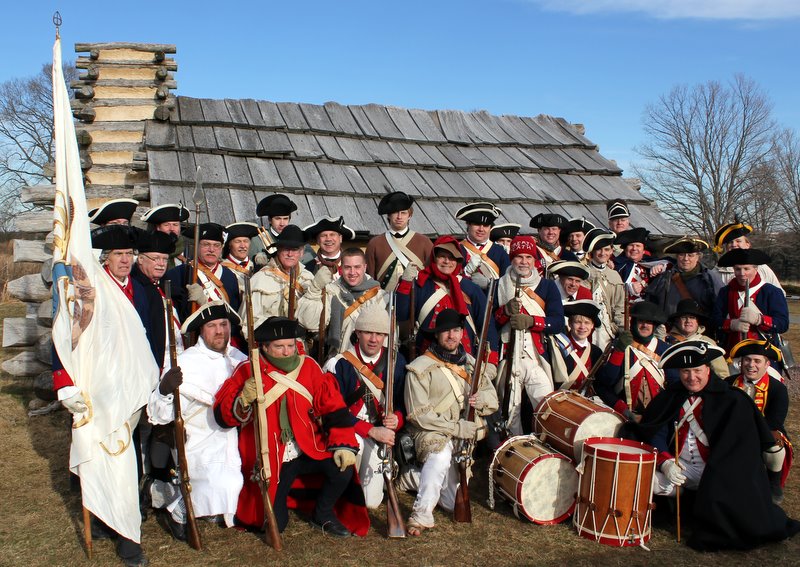
In my tagline, I use the two terms that are sometimes seen as synonyms and just as often as antonyms by the Living History community: Re-enactor and Interpreter. So, are you a re-enactor, an interpreter, or a living historian? Are you part of the exhibit, the staff, a visitor, or something else altogether? These are …
Continue reading “Re-Enactor, Interpreter, or Living Historian?”
Ask your Tavernkeeper
Perhaps its just that sort of week for me but its definitely 5:00 HERE so here are some terms to take with you to your local watering hole to show you understand the drinking habits of we merry 18th Century barmen… Bene Bowse — good beer, or other strong liquorBingo — brandy or other spirituous …
“Seven Rations” for the 18th Century Soldier

For regiments of the British Army, each mess (five or six men) was issued one bowl, one platter, one ladle, one cooking kettle, six trenchers (a plate on one side and a bowl on the other), and spoons. Using this equipment, the men were to prepare, cook, and eat their “seven rations” of food. Each …
Continue reading ““Seven Rations” for the 18th Century Soldier”
Man does Not Live on Beer Alone — Punch
Okay, so “Punch” has been around much longer than the 18th Century. In fact, the idea of punch is, well, old, really old. The word can be traced back to the 15th Century and it’s all tied to the reason sailors wanted a shorter route to Asia – Nutmeg. At its peak, nutmeg bought at …
How to Survey Land with 18th Century Tools — Using the Gunter’s Rule

Using the Gunter’s Rule So how was multiplication done in the 18th Century. Sure, you could and people did do long-hand multiplication just like you were taught in elementary school. For example, we can multiply 384×56. The number with more digits is usually selected as the multiplicand: The long multiplication algorithm starts with multiplying the …
Continue reading “How to Survey Land with 18th Century Tools — Using the Gunter’s Rule”

