
Perhaps its just that sort of week for me but its definitely 5:00 HERE so here are some terms to take with you to your local watering hole to show you understand the drinking habits of we merry 18th Century barmen… Bene Bowse — good beer, or other strong liquor Bingo — brandy or other …
Category Archives: General history
Re-Enactor, Interpreter, or Living Historian?
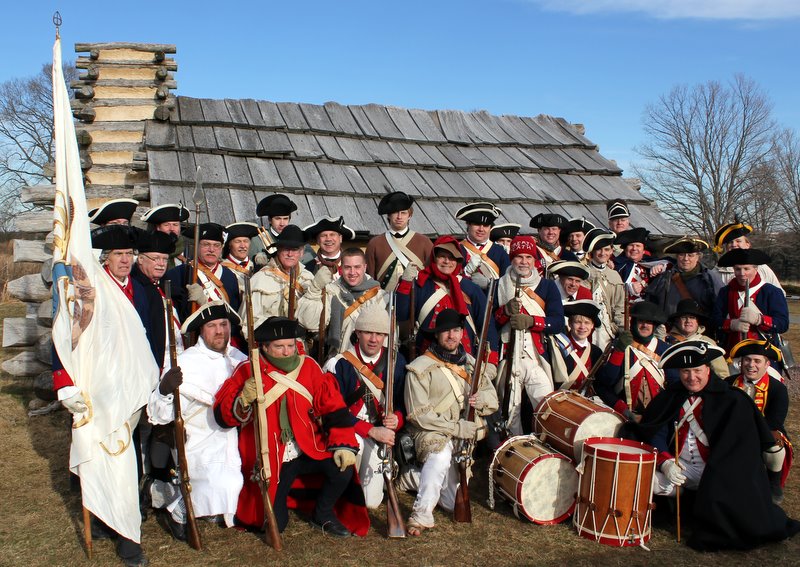
In my tagline, I use the two terms that are sometimes seen as synonyms and just as often as antonyms by the Living History community: Re-enactor and Interpreter. So, are you a re-enactor, an interpreter, or a living historian? Are you part of the exhibit, the staff, a visitor, or something else altogether? These are …
Continue reading “Re-Enactor, Interpreter, or Living Historian?”
US Marines in the American Revolution
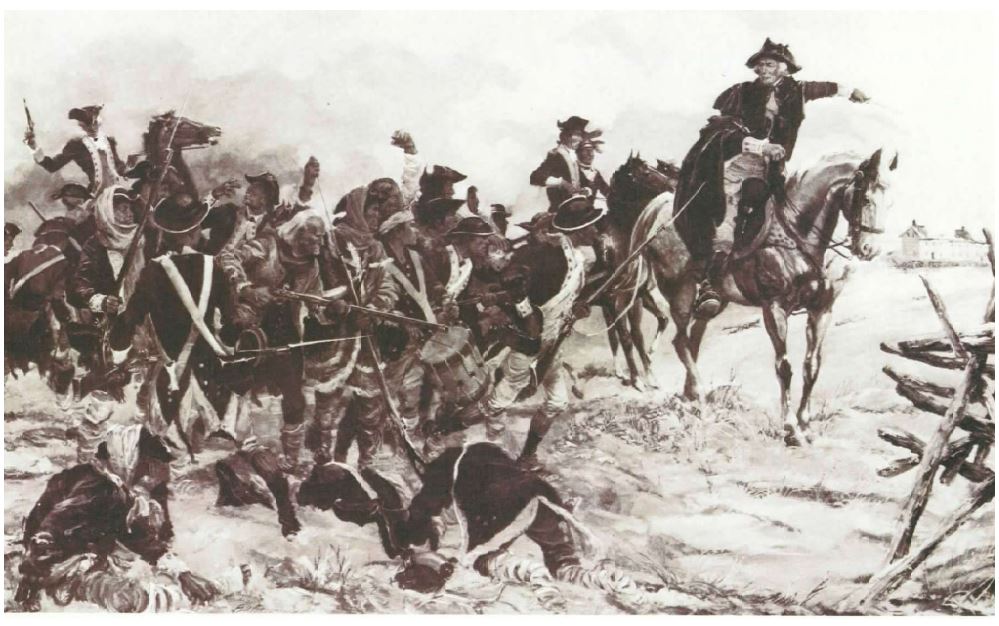
Marines with Washington at Princeton 3 January 1777 Encouraged by his success against the Hessian garrison at Trenton on Christmas night 1776, General George Washington determined upon a further stroke. Crossing the Delaware River again on 30 December, he reoccupied Trenton. General Charles Cornwallis, who commanded a large British force occupying the town of Princeton, …
“Seven Rations” for the 18th Century Soldier

For regiments of the British Army, each mess (five or six men) was issued one bowl, one platter, one ladle, one cooking kettle, six trenchers (a plate on one side and a bowl on the other), and spoons. Using this equipment, the men were to prepare, cook, and eat their “seven rations” of food. Each …
Continue reading ““Seven Rations” for the 18th Century Soldier”
Historical Tidbits — Revolt of Pennsylvania Line

When reenacting or acting as a historical interpreter, its good to have a few historical dates and stories to share. This series will publish a few. January 1, 1781 Revolt of Pennsylvania Line On January 1, 1781, the Pennsylvania Line held a raucous New Year’s Day celebration. That evening, soldiers from several regiments armed themselves …
Continue reading “Historical Tidbits — Revolt of Pennsylvania Line”
Historical Tidbits — 1st Bank of North America established
When reenacting or acting as a historical interpreter, its good to have a few historical dates and stories to share. This series will publish a few. December 31, 1781 1st Bank of North America established Chartered May 26, 1781, by the Continental Congress under the Articles of Confederation, this enterprise was the first national and truly …
Continue reading “Historical Tidbits — 1st Bank of North America established”
Historical Tidbits — General Montgomery killed
When reenacting or acting as a historical interpreter, its good to have a few historical dates and stories to share. This series will publish a few. December 31, 1775 General Montgomery killed General Richard Montgomery launched a courageous attack on the lower city of Quebec (along the river beneath the walls) in the middle of …
Continue reading “Historical Tidbits — General Montgomery killed”
Historical Tidbits — Arnold Attacks Quebec City
When reenacting or acting as a historical interpreter, its good to have a few historical dates and stories to share. This series will publish a few. December 31, 1775 — Patriot forces under Colonel Benedict Arnold and General Richard Montgomery attempted to capture the British-occupied city of Quebec and with it win support for the …
Continue reading “Historical Tidbits — Arnold Attacks Quebec City”
The ULITMATE Role Model for the Regimental Brewmeister — Arthur Guinness

Arthur Guinness was born on September 28, 1725. His father Richard, who was land steward to the archbishop of Cashel, brewed beer for workers on the estate taught Arthur the craft of brewing. When the archbishop died in 1752, he left 100 pounds each to “his servant” Arthur and his father. Using this initial investment, …
Continue reading “The ULITMATE Role Model for the Regimental Brewmeister — Arthur Guinness”
Soldiers at “Rest”
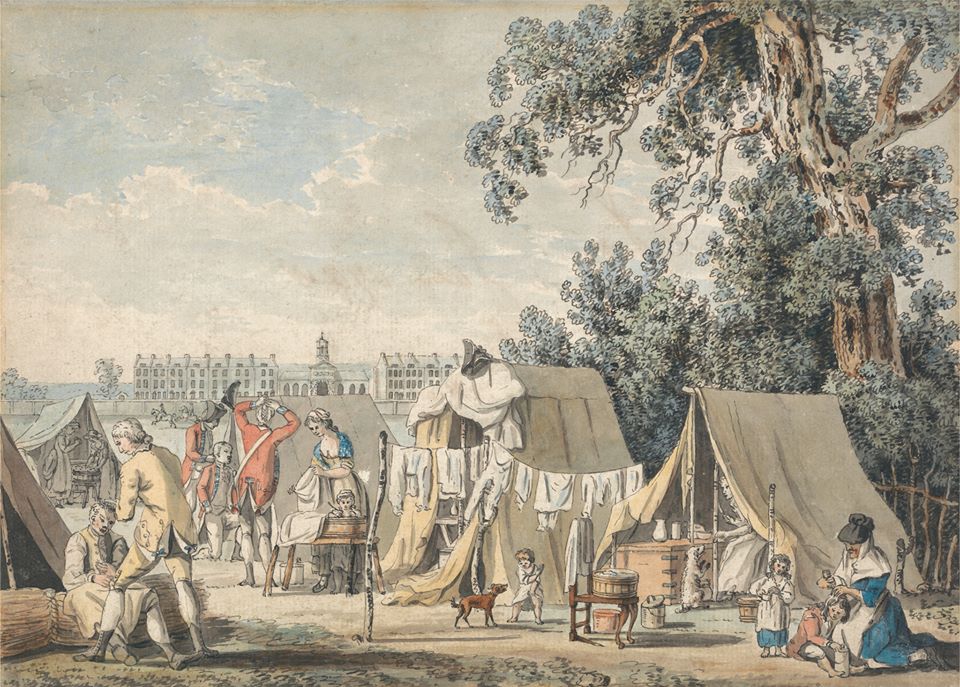
Only a tiny fraction of any soldier’s time was spent in combat. The vast majority of the time, the army was in camp. Camp life was exactly a time of rest and idleness. Uniforms and arms required daily attention, food had to be cooked, firewood collected, shelters built and the near endless work that caring …
 Michael Carver -- Historical Interpreter/Reenactor