George Augustus Frederick, Prince of Wales, was born on August 12, 1762 at St James’ Palace, the eldest son of George III and Queen Charlotte. When his father became incapacitated due to mental instability and ill health, he ruled for nine years as Regent (1811 – 1820) before becoming King upon his father’s death in …
Category Archives: Ideas
Turkey? Why Turkey?
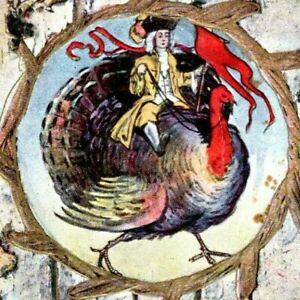
For many a Thanksgiving meal is centered on turkey. Turkeys are indigenous only to parts of North America and Europeans only first came into contact with turkeys roughly 500 years ago. So how did turkeys (the bird) end up being named so similarly to Turkey (the country)? As far as we can tell, the first European …
Despite Today’s Politics, the Turkey was Never Considered as Our National Symbol
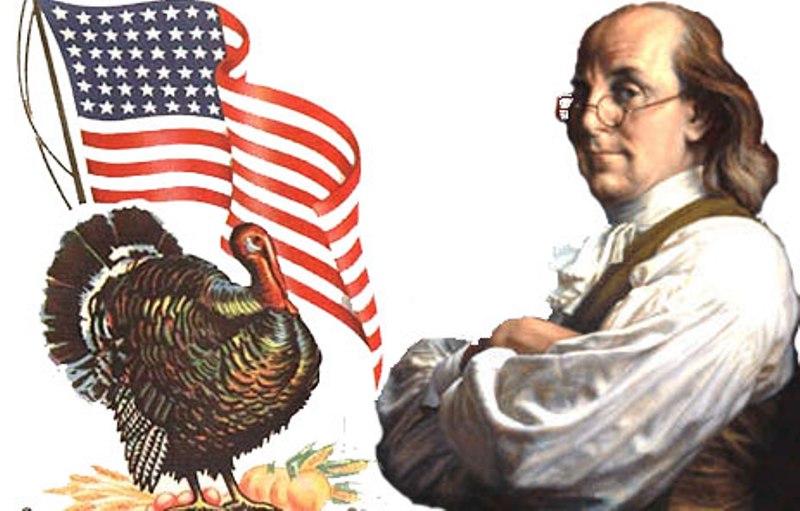
There is a myth that the turkey almost came to represent the United States. The story goes that after the Declaration of Independence was signed, Congress asked Benjamin Franklin, Thomas Jefferson, and John Adams to design a seal for our new nation. Since many of the Germanic nations, incorporate eagles into their pageantry, the eagle …
Continue reading “Despite Today’s Politics, the Turkey was Never Considered as Our National Symbol”
The Scourge of Slavery (#8) — Thomas Jefferson, a Slaveholder, argues to end slavery in new United States
There were 87 edits to Jefferson’s original draft of the Declaration of Independence. Most were trivial, shortened phrases here or word substitutions there, but there is one glaring omission. One entire paragraph highlighting perhaps the greatest CRIME committed by King George, Parliament, the various “companies” (like the East India Company) and other agents of British …
Bombay Presidency Punch
Because trading was hazardous and had uncertain returns, investors formed commercial syndicates to spread the risk. The two most famous were the East India Company, a British organization chartered in 1600, and the Dutch East India Company, chartered in 1602. The latter issued stocks and bonds to the public, so it could be considered the …
Beer Recipe: The Kings Shilling Stout

The King’s Shilling Oh my love has left me wi’ bairnies twaAnd that’s the last o’ him I ever sawHe’s joined the army and he marched awa’He took the shillin’He took the shillin’ and he marched awa’CHORUSCome laddies come, hear the cannons roarTake the King’s shilling an’ we’re off tae warCome laddies come, hear the …
Martha Washington’s Rum Punch

Elections in the 18th Century were festive. Food and drink were provided to voters to encourage both turn-out (often 85 percent of the eligible voters[1] participated). Songs were sung and GALLONS of rum punch were consumed. Prior to Prohibition, handing out drinks in order to woe voters was common. When Washington entered politics for the …
Schuylkill Fish House Punch
Fish House Punch is an alcoholic drink consisting mainly of rum. The first mention of Fish House Punch — though not yet by that name — may be in the notes of William Black, the secretary of the embassy of Virginia Commissioners who visited Philadelphia in 1744. He recounted being met by locals on the …
Black Tea Punch
Punch was introduced from the Indian subcontinent to England by employees of the East India Company in the late 17th century. The original drink was named paantsch from Hindi पाँच (pāñć), meaning “five,” as the drink was frequently made with five ingredients: alcohol, sugar, juice from either a lime or a lemon, water, and spices …
Warm Mulled Beer
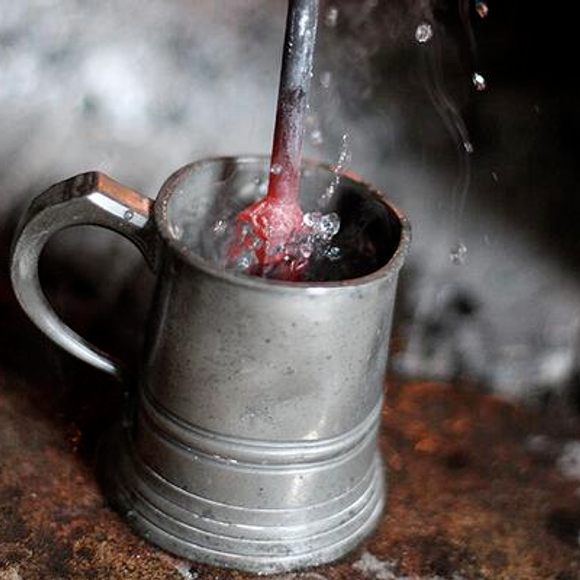
Historically, Beer was rarely served cold. Sure “Ice Cold Beer’ from the perspective of the 21th Century seems normal. Today, beer drinkers mindlessly plunge beer into arctic-like baths of ice with hardly a thought, but why? People drink both hot and ice tea, hot and ice coffee, and hot and cold chocolate milk; why not …
 Michael Carver -- Historical Interpreter/Reenactor